

تشهد بيئة الأعمال الحالية تغيرات وتطورات سريعة على جميع الأصعدة وفي جميع المجالات بما فيها تكنولوجيا المعلومات والاتصالات. فتطور هذه الأخيرة أدى إلى تدفق البيانات والمعلومات من مصادر مختلفة ومتعددة وبأحجام ضخمة، الأمر الذي خلق الحاجة لدى المؤسسات إلى ضرورة الاستفادة من هذه المعلومات والبيانات. غير أن هذه الأخيرة ليست في الغالب صحيحة وصالحة للاستعمال.
إن التأكيد على أهمية البيانات ووصفها بـ «النفط"، أدى إلى لفت الانتباه لها والبحث عن كيفية الاستفادة القصوى منها، وهنا تظهر أهمية ذكاء الأعمال الذي تم وصفه بـ «المظلة" كونه يتضمن أدوات وأساليب وتقنيات مختلفة لجمع البيانات ومعالجتها واستخراج معلومات تمكن من اتخاذ القرار الأمثل.
وفي ظل بيئة الأعمال الحالية وسرعة تغير أذواق المستهلكين وحاجاتهم واحتدام المنافسة، لن تستطيع المؤسسات الاستقرار والاستمرار إلا من خلال تعزيز قدرتها التنافسية. وعليه المؤسسات اليوم تشهد تحد ألا وهو ضرورة إدماج ذكاء الأعمال ضمن استراتيجيات تعزيز قدرتها التنافسية.
- Enseignant: Dr.Amina GAIDI
- Enseignant: Meriem ZELMAT
- Enseignant: amarou amina
قسم علوم التسيير
الفئة المستهدفة: طلبة السنة الأولى ماستر تخصص ادارة اعمال
عنوان المقياس: منهجية إعداد مذكرة الماستر
الرصيد: 04
المعامل: 02
الوحدة المنهجية
طريقة التقييم: تقييم مستمر + امتحان نهائي ويقاس معدل المادة بالوزن الترجيحي للدروس (60%) والأعمال الموجهة (40%).
الأستاذ : بن عبيزة دحو
البريد الالكتروني :@univ-mascara.dzdaho.benabiza
الدراسة، ورغم تسليمنا بأن المنهجية كانت و الزلت محل اختالف بين الدارسين،
لكننا نسعى من خالل هذه الدروس أن نساهم في وضع ارضية مشتركة لتوحيد
منهجية البحث في الدراسات في العلوم الانسانية استجابة لمتطلبات نص المادة 6 من القرار
رقم 360 المؤرخ في 9 جوان 2014 الذي يحدد كيفيات إعداد ومناقشة مذكرة
الماستر
العبء على الطالب و على االستاذ معا ، حيث تكون األمور واضحة للطالب في
طريقة كتابة الموضوع شكال و موضوعا، ويتفرغ األستاذ لمتابعة الطالب من
الناحية الموضوعية للبحث فيتحقق يذلك الهدف من مذكرات التخرج وهو إثراء
البحث العلمي بمادة علمية تعتبر إضافة شكال وموضوعا.
يتعين على طالب الماستر عند اختيار موضوع المذكرة أن يراعي العوامل التالية:
-أن يكون الموضوع ضمن التخصص الذي يدرسه
- Enseignant: بن عبيزة دحو
Module Overview
This module aims to develop students’ academic English skills required for scientific research and thesis writing in the field of Management. It focuses on understanding academic texts, using appropriate terminology, and producing well-structured research writing in English.
- Enseignant: M Bouhafs
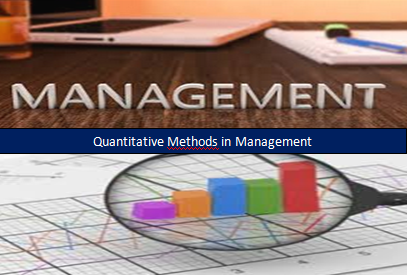
This course is designed to equip students with both the theoretical foundations and practical applications of quantitative tools used in administrative contexts. The course covers a wide range of topics, including linear programming, decision-making under risk, decision trees, cost analysis and break-even point, game theory, simulation, and dynamic programming. Special attention is given to understanding the contexts in which these models are applied, the conditions for their use, their limitations, and how to interpret results in ways that support accurate and effective decision-making.
The value of this course lies in its comprehensive nature and its integration with other modules within the Master’s program in Business Administration. Its applications go beyond production and operations management to include finance, marketing, human resource management, strategic planning, and quality control. Quantitative methods have become indispensable tools for enhancing organizational competitiveness, achieving operational efficiency, and ensuring sound decision-making in resource-constrained and uncertain environments.
Accordingly, mastering and properly applying quantitative methods represents a key step in shaping a modern manager capable of analyzing current realities, anticipating future developments, and formulating strategic decisions grounded in solid scientific reasoning. This makes the course a core component in preparing Master’s students to meet the demands of the job market and the global business environment.
- Enseignant: Ammar Hamioud